BRICS Explained: What It Is, Who Its Members Are and Why It Matters in 2026
BRICS is a cooperation group focused on economic, political, and development issues among major emerging economies. It began as BRIC with Brazil, Russia, India, and China, added South Africa in 2011, and expanded again in 2024 and 2025. The group is not a treaty-based military alliance or a single market: its members coordinate through annual summits, ministerial meetings, working groups, and institutions such as the New Development Bank.
BRICS matters because its members represent a large share of the world's population, land area, energy production, and economic output. The group gives emerging economies a forum to discuss trade, finance, development, technology, food security, climate policy, and reform of international institutions.
BRICS Is Bigger Than Its Acronym
The name BRICS comes from the initials of Brazil, Russia, India, China, and South Africa. But the group has grown considerably since the acronym was first popularised. It now spans Latin America, Africa, Asia, the Middle East, and Europe and Asia.
BRICS is better understood as a cooperation and coordination platform than as a traditional military alliance or single-market bloc. Its members do not share identical political systems, economic models, or foreign-policy priorities. They cooperate where interests overlap and seek a stronger voice for emerging economies in international institutions. _site/cdn/brics/How BRICS Started .png
How BRICS started
In 2001, Goldman Sachs economist Jim O'Neill used the term BRIC for Brazil, Russia, India, and China as major emerging economies. It was originally an economic and investment concept, not the name of an international organization.
Foreign ministers from the four countries began regular political dialogue in 2006. The first leaders' summit took place in Yekaterinburg, Russia, on 16 June 2009. South Africa joined in 2010 and first participated at the 2011 summit in Sanya, changing BRIC into BRICS.
Egypt, Ethiopia, Iran, and the United Arab Emirates became full members on 1 January 2024. Indonesia formally joined in January 2025 as the first Southeast Asian full member.
BRICS members and flags
As of 2026, India presidency materials describe BRICS as having 11 full members, including Saudi Arabia. Some reference sources count ten and describe Saudi Arabia's membership as unresolved because the country was invited during the 2023 expansion but its status has been reported differently. The distinction is worth preserving rather than presenting one disputed count as settled fact.
 Brazil
 Russia
 India
India China
China South Africa
 Egypt
Egypt Ethiopia
 Iran
Iran United Arab Emirates
 Indonesia
 Saudi Arabia*
* Saudi Arabia is included in the 11-member count used by India's 2026 BRICS presidency materials. Other sources continue to describe its membership as not publicly confirmed.
BRICS partner countries
The partner-country system was created at the 2024 Kazan Summit. Partners can participate in BRICS summits and selected discussions without becoming full members. The original 2025 partner countries were Belarus, Bolivia, Cuba, Kazakhstan, Malaysia, Nigeria, Thailand, Uganda, and Uzbekistan. Vietnam became the tenth partner country in June 2025.
 Belarus
 Bolivia
 Cuba
Cuba Kazakhstan
 Malaysia
 Nigeria
 Thailand
 Uganda
 Uzbekistan
 Vietnam
What does BRICS do?
BRICS cooperation is built around practical coordination rather than a single central government. Its agenda commonly includes:
- Economic cooperation: trade, investment, payment systems, supply chains, and reducing the cost of cross-border transactions.
- Development finance: the New Development Bank supports infrastructure and sustainable-development projects in member and partner countries.
- Global governance: members regularly call for broader representation for developing economies in institutions such as the United Nations, International Monetary Fund, and World Bank.
- Political dialogue: leaders discuss conflicts, energy, food security, public health, climate change, and technology while retaining their own national foreign policies.
The group makes decisions through consensus. That can make joint statements less specific than a treaty, but it also lets countries with different political systems and foreign-policy priorities continue working together.
Why BRICS matters in 2026
The enlarged grouping includes major economies, populous societies, energy producers, agricultural producers, and strategically important countries. That combined weight gives BRICS influence in conversations about trade, energy, finance, development, technology, climate, and global governance.
India assumed the BRICS presidency on 1 January 2026 and is coordinating the year's meetings and priorities, culminating in the 18th leaders' summit in New Delhi. India's stated themes are resilience, innovation, cooperation, and sustainability.
BRICS is sometimes called a counterweight to the G7, but it is not a formal alliance designed simply to oppose the G7 or the United States. Members have different relationships with Western countries and with one another. A more useful description is that BRICS seeks a more representative international system rather than replacing one power bloc with another.
Does BRICS have a common currency?
No. BRICS does not currently have a single common currency comparable to the euro. Members have discussed using national currencies more often in trade, payment mechanisms, and ways to reduce vulnerabilities in the existing financial system. Those discussions are different from creating one shared currency.
Does BRICS have its own bank?
Yes. The New Development Bank, headquartered in Shanghai, finances infrastructure and sustainable-development projects in member and other developing countries. It is one of the clearest examples of BRICS cooperation becoming a permanent institution.
BRICS challenges
Expansion gives BRICS greater visibility, but size alone does not guarantee influence. Members have different security priorities, economic conditions, political systems, and relationships with other powers. Consensus can become harder as membership grows, and the most important test is whether declarations lead to investment, infrastructure, trade, technology cooperation, and measurable development outcomes.
Every BRICS summit at a glance
Use the tabs below to move between the past leaders' meetings. Each panel includes the host, meeting date, a meeting image, and a link to the declaration when one was supplied.
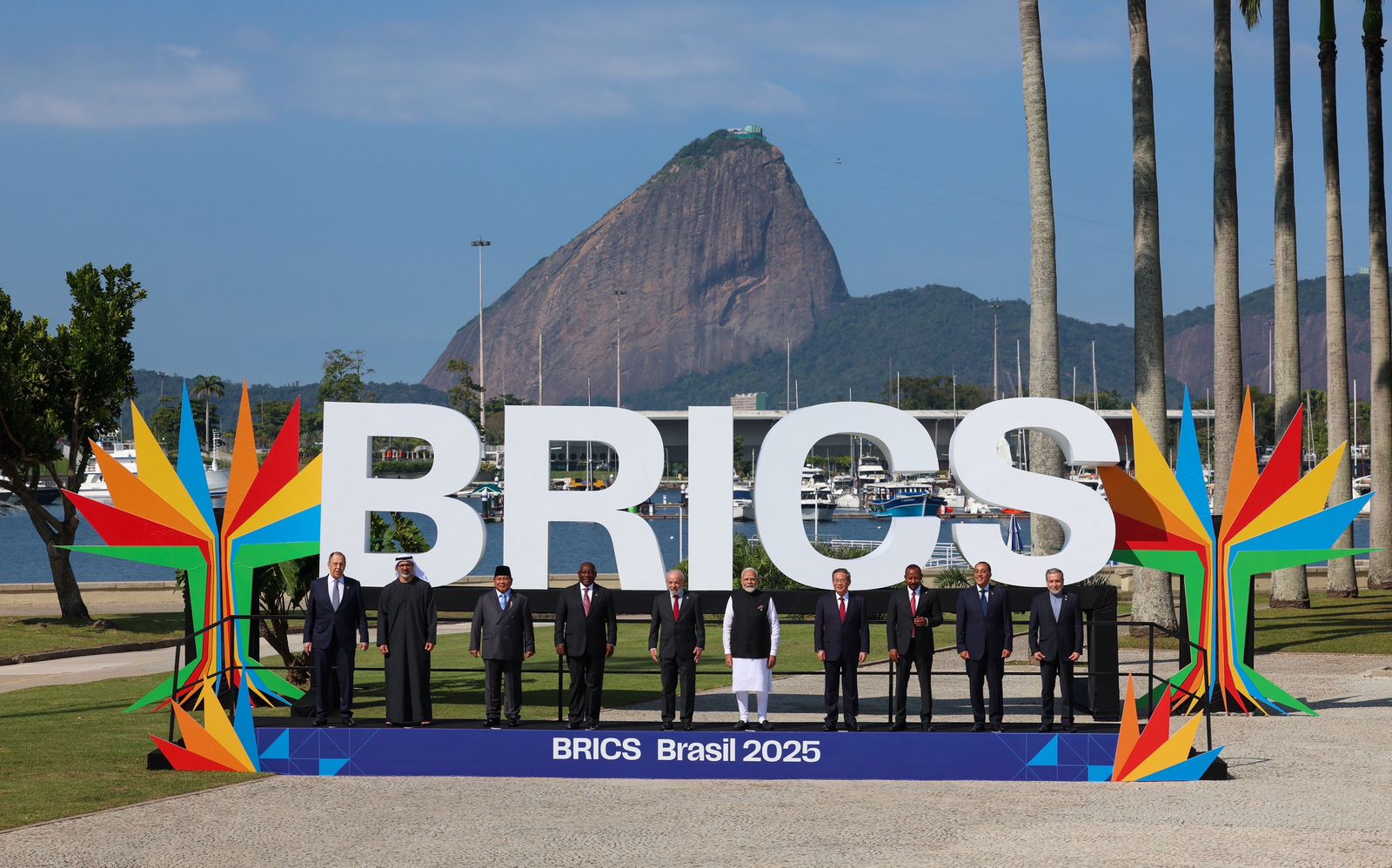
17th BRICS Summit
6–7 July 2025 · Rio de Janeiro and Brasilia, Brazil
16th BRICS Summit
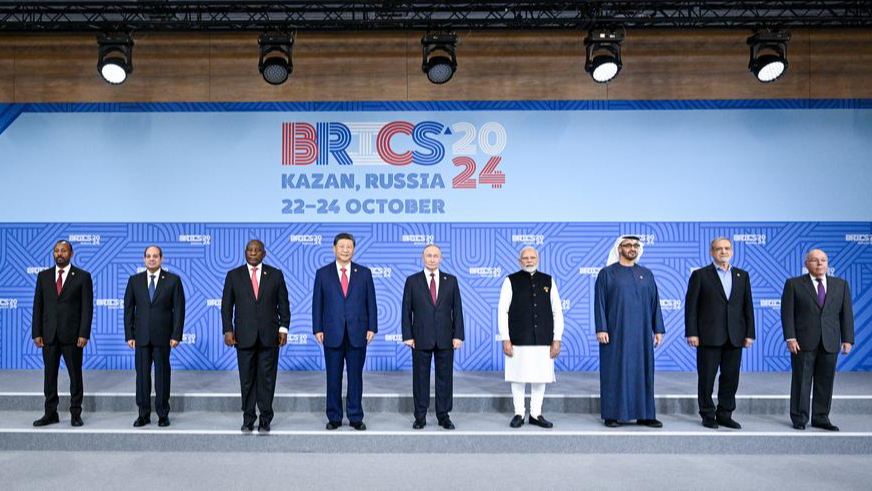
22–24 October 2024 · Kazan, Russia
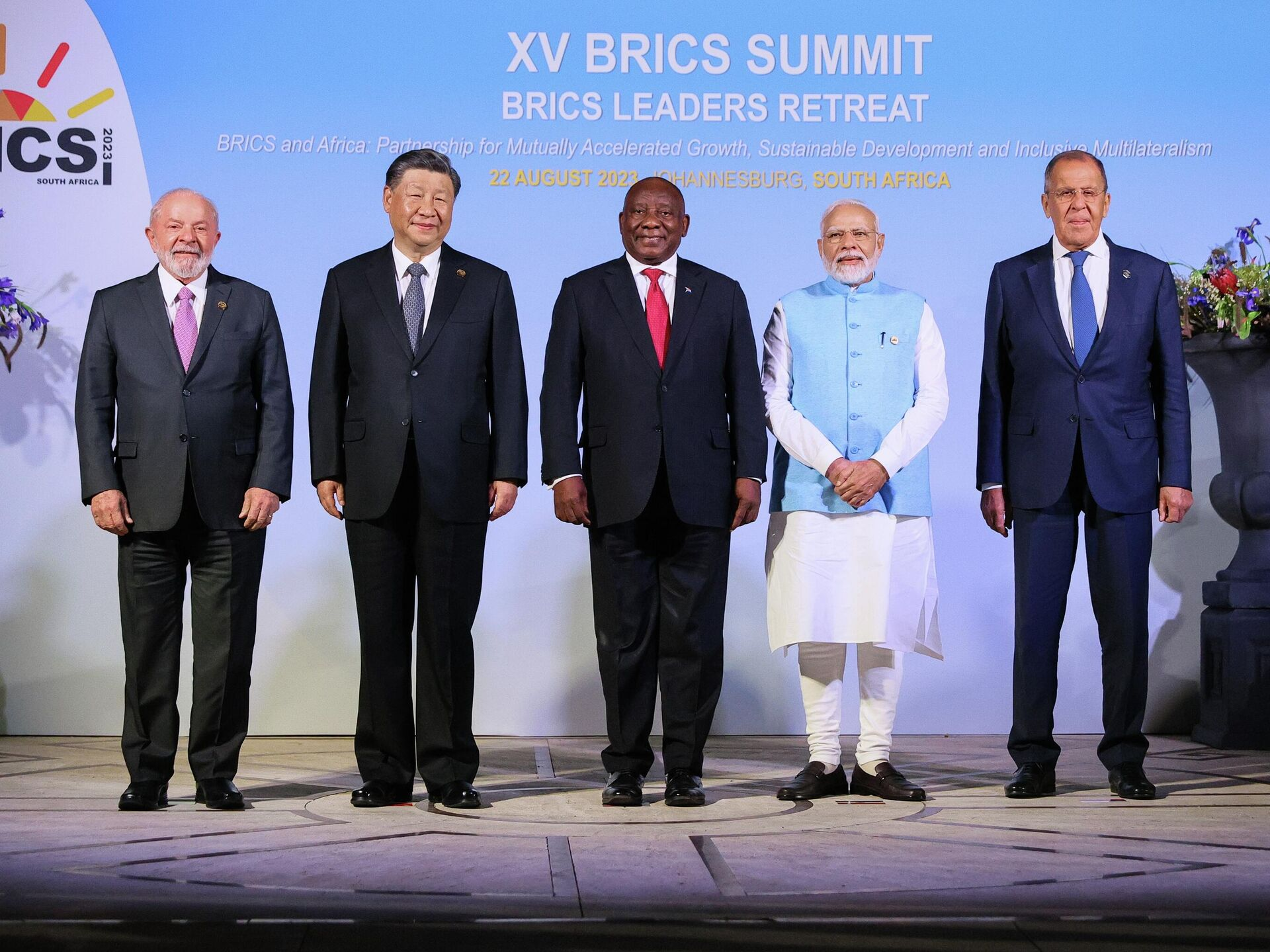
15th BRICS Summit
22–24 August 2023 · Johannesburg, South Africa
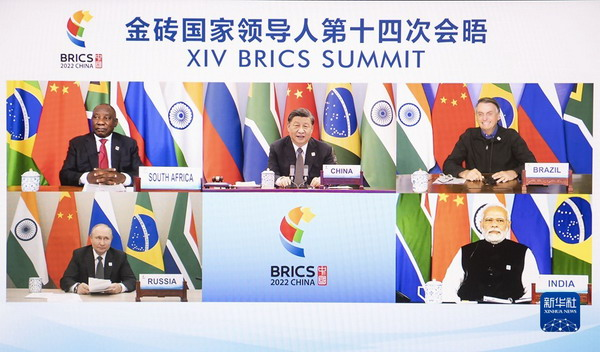
14th BRICS Summit
23–24 June 2022 · Beijing, China
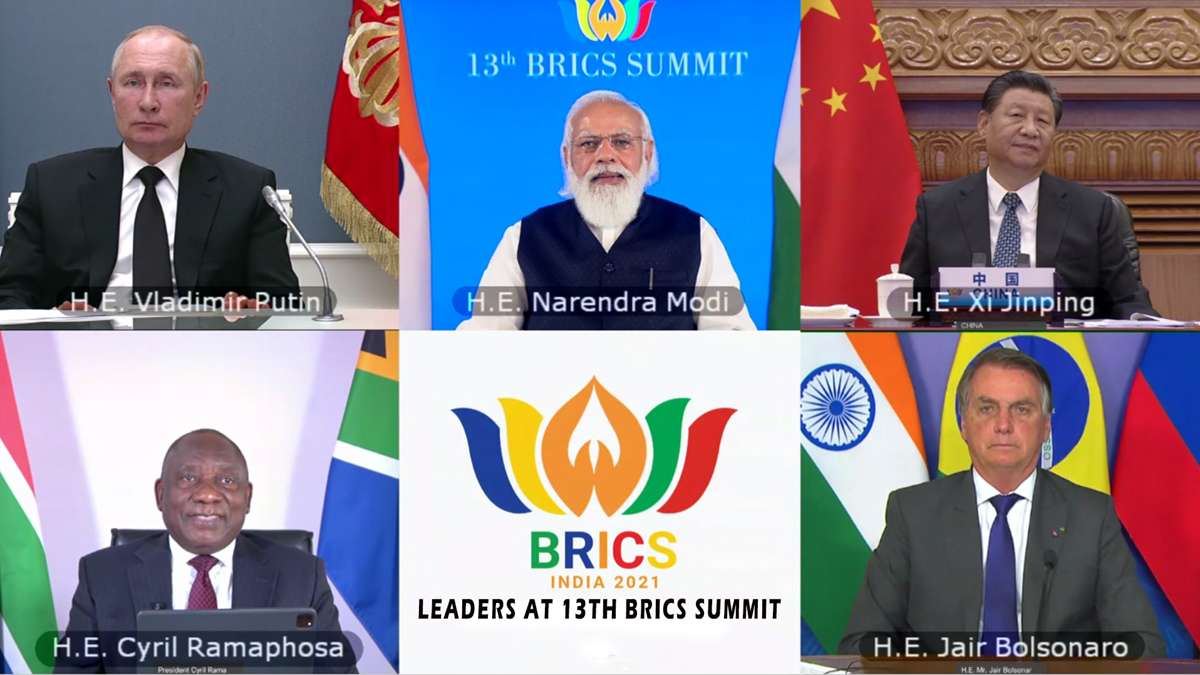
13th BRICS Summit
9 September 2021 · New Delhi, India
12th BRICS Summit
17 November 2020 · Moscow, Russia
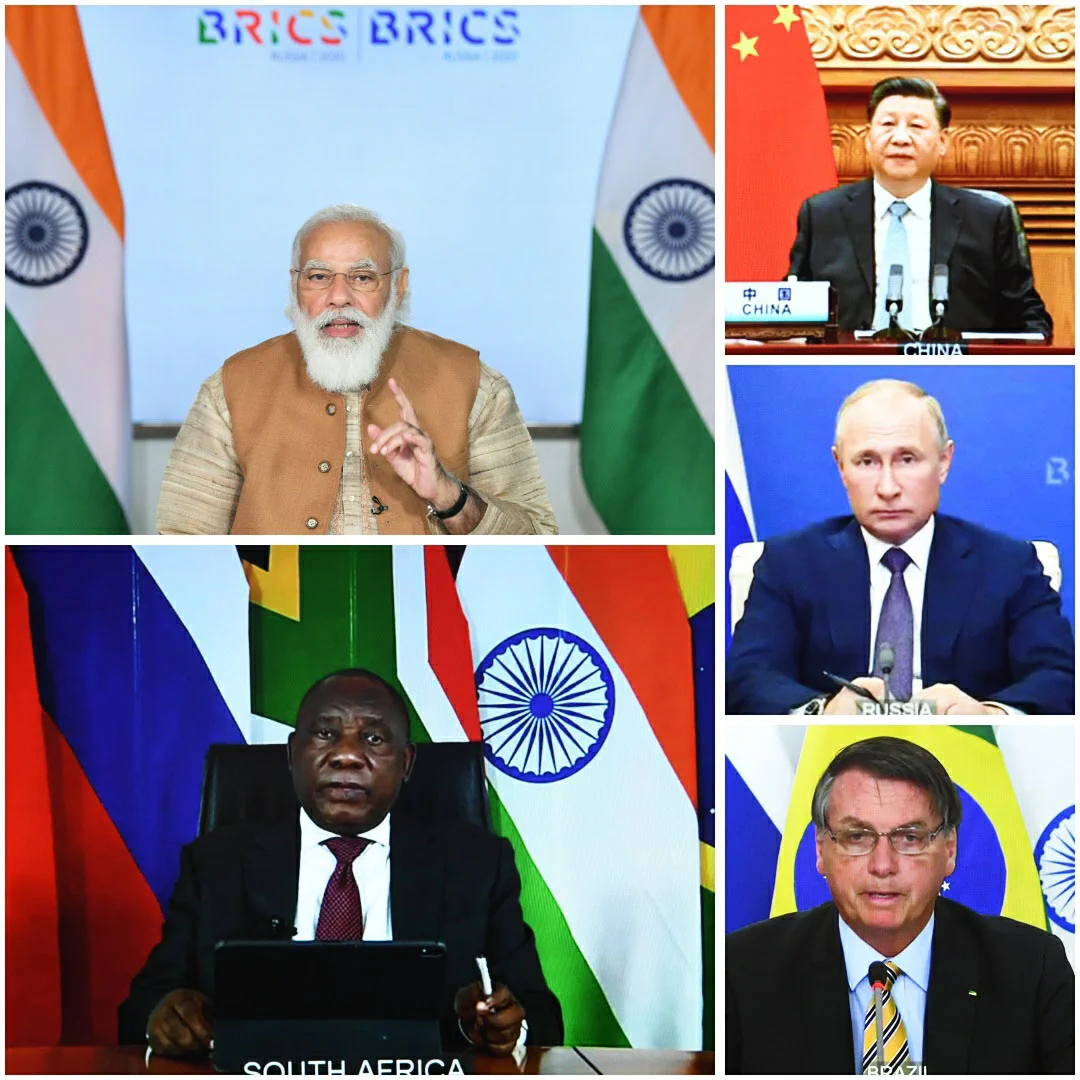
11th BRICS Summit
13–14 November 2019 · Brasilia, Brazil
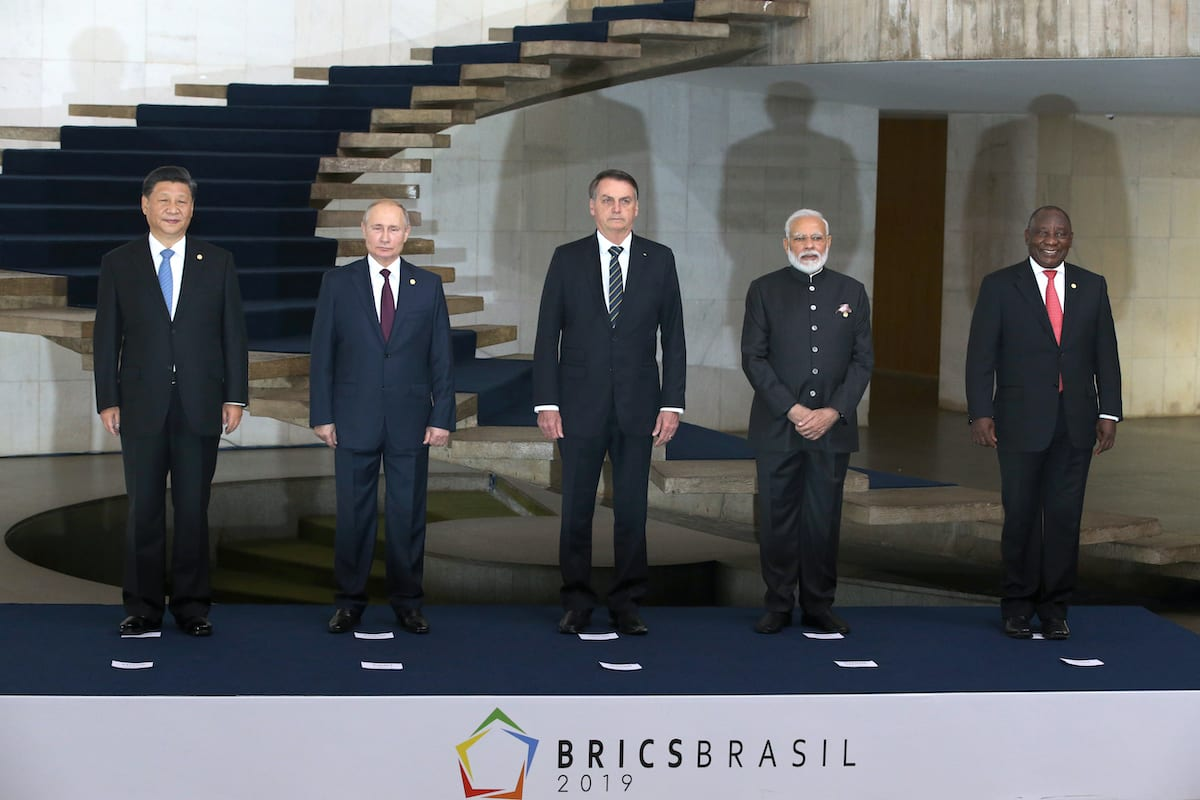
10th BRICS Summit
25–27 July 2018 · Johannesburg, South Africa
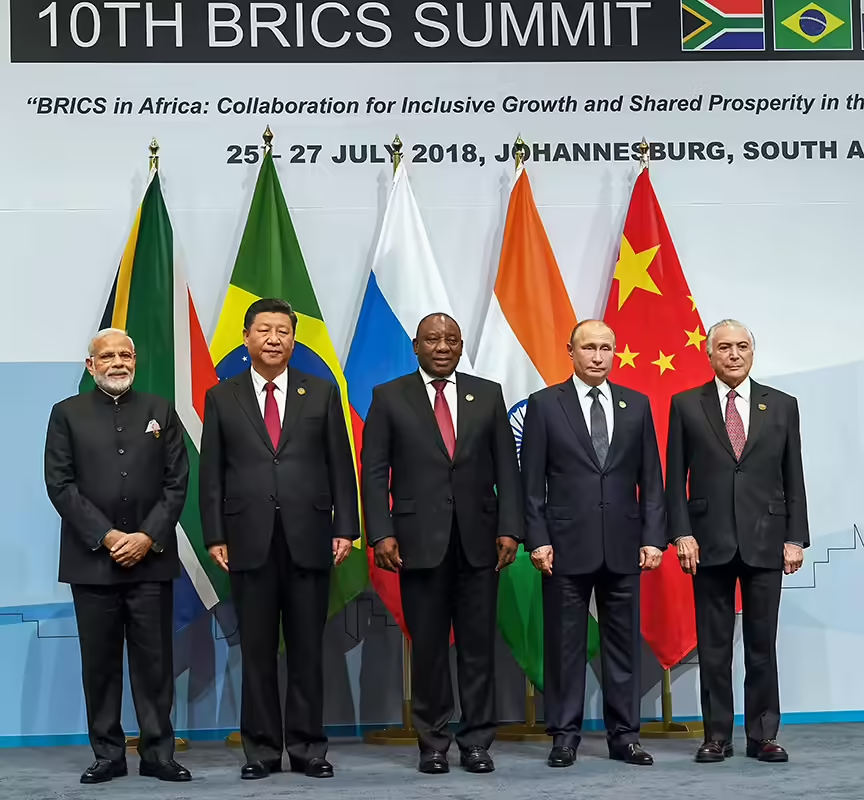
9th BRICS Summit
4–5 September 2017 · Xiamen, China
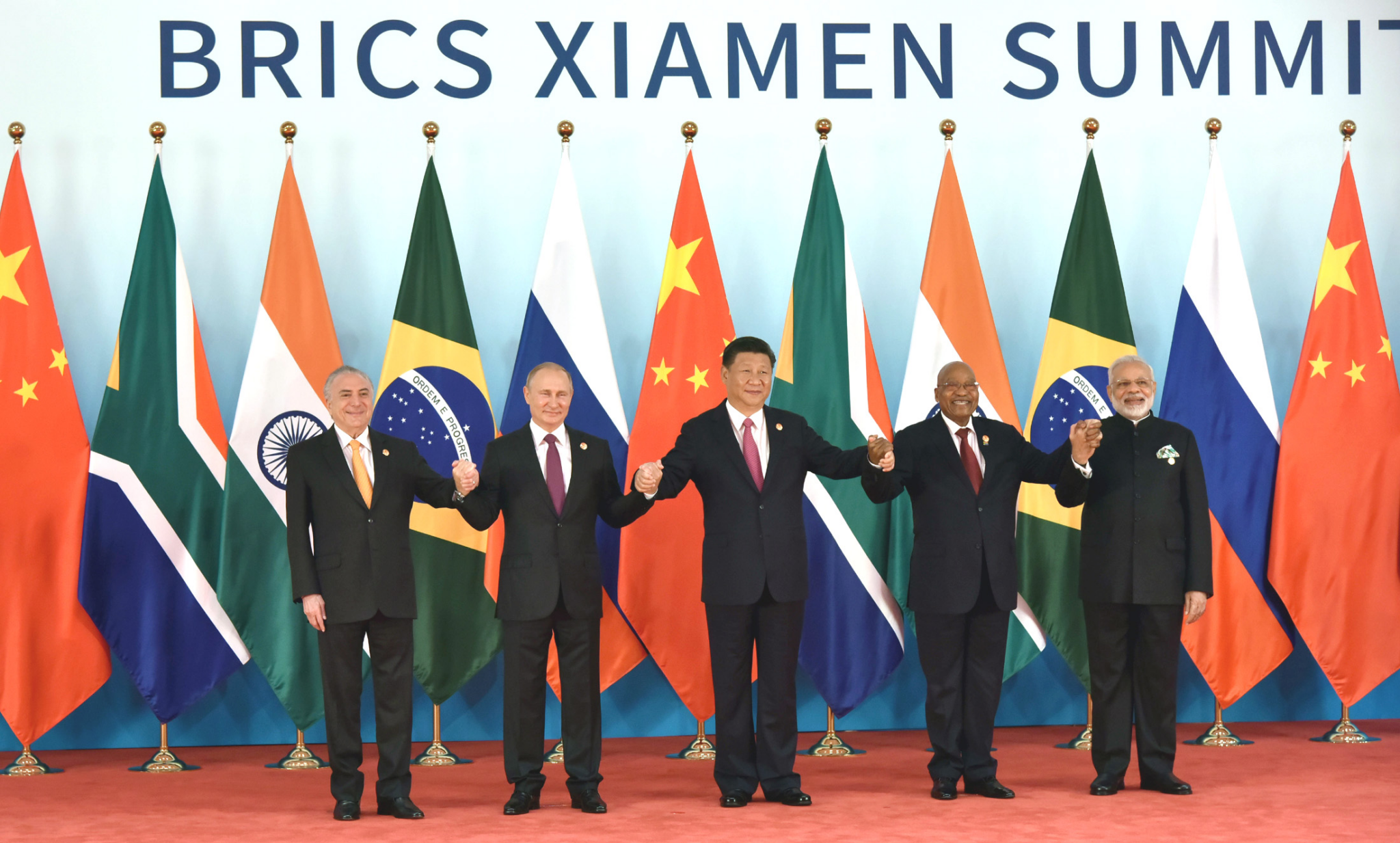
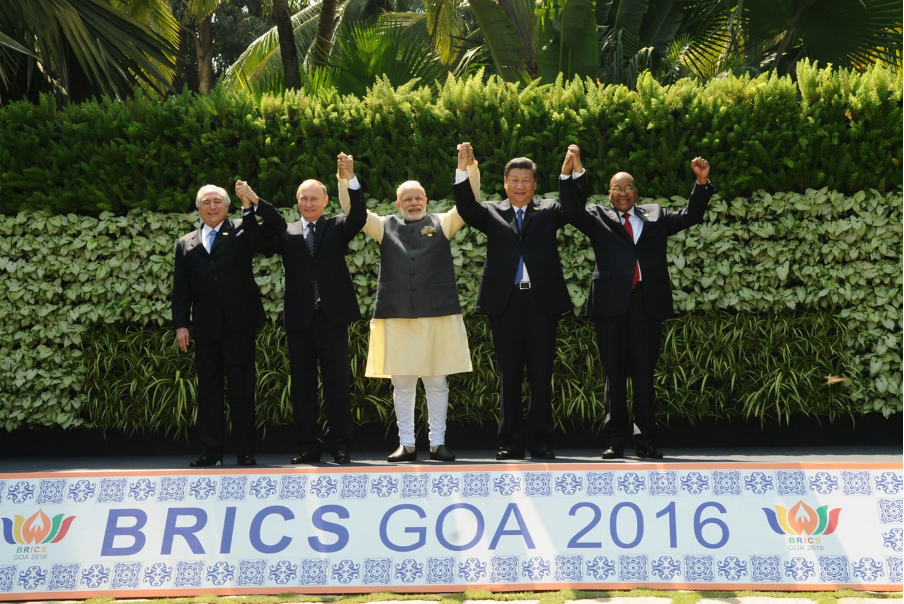
8th BRICS Summit
15–16 October 2016 · Goa, India
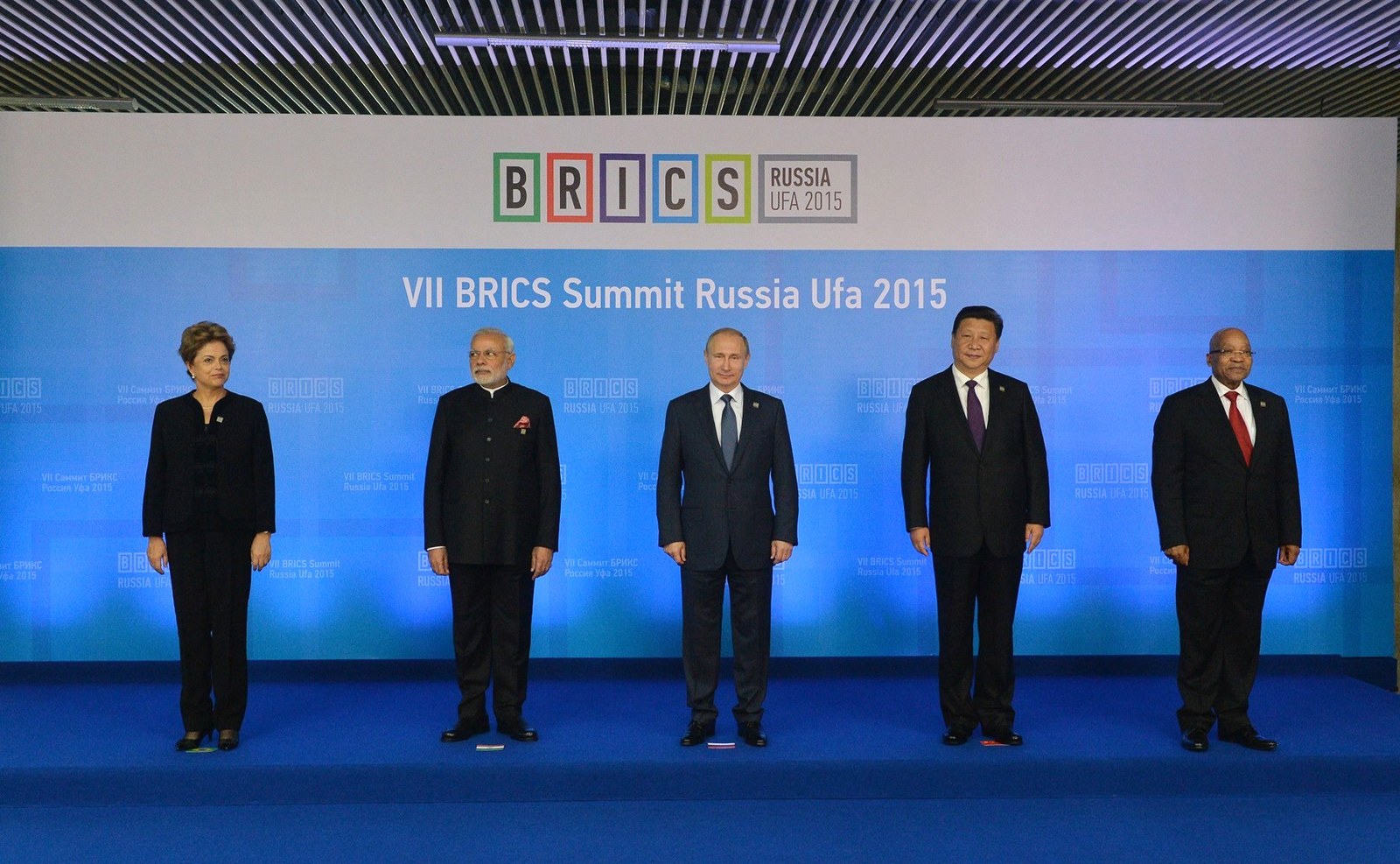
7th BRICS Summit
8–9 July 2015 · Ufa, Russia
6th BRICS Summit
14–16 July 2014 · Fortaleza, Brazil
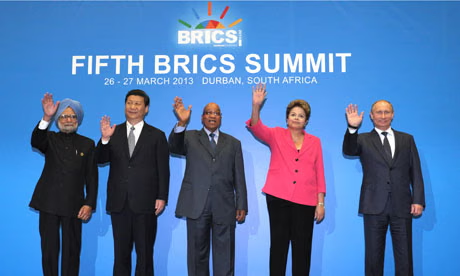
5th BRICS Summit
26–27 March 2013 · Durban, South Africa
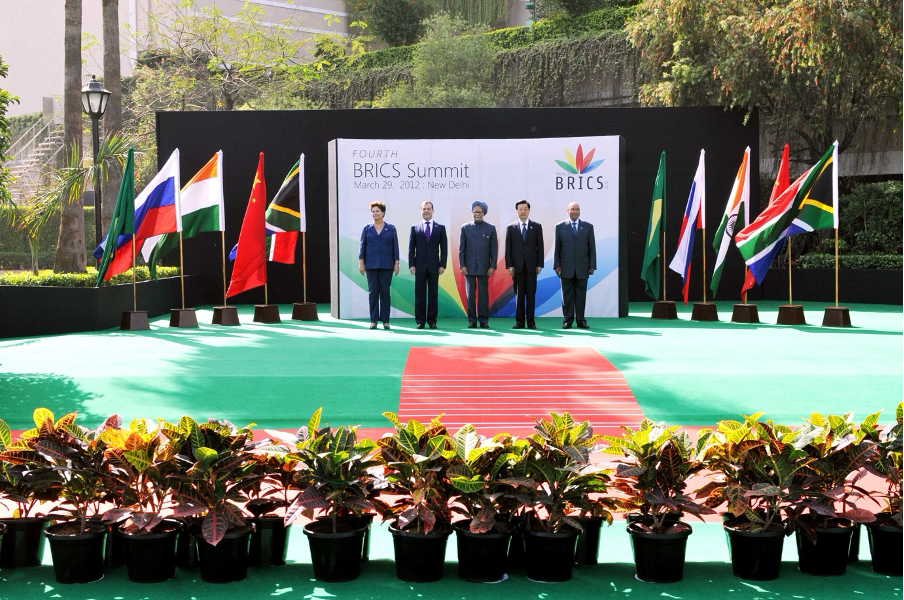
4th BRICS Summit
29 March 2012 · New Delhi, India
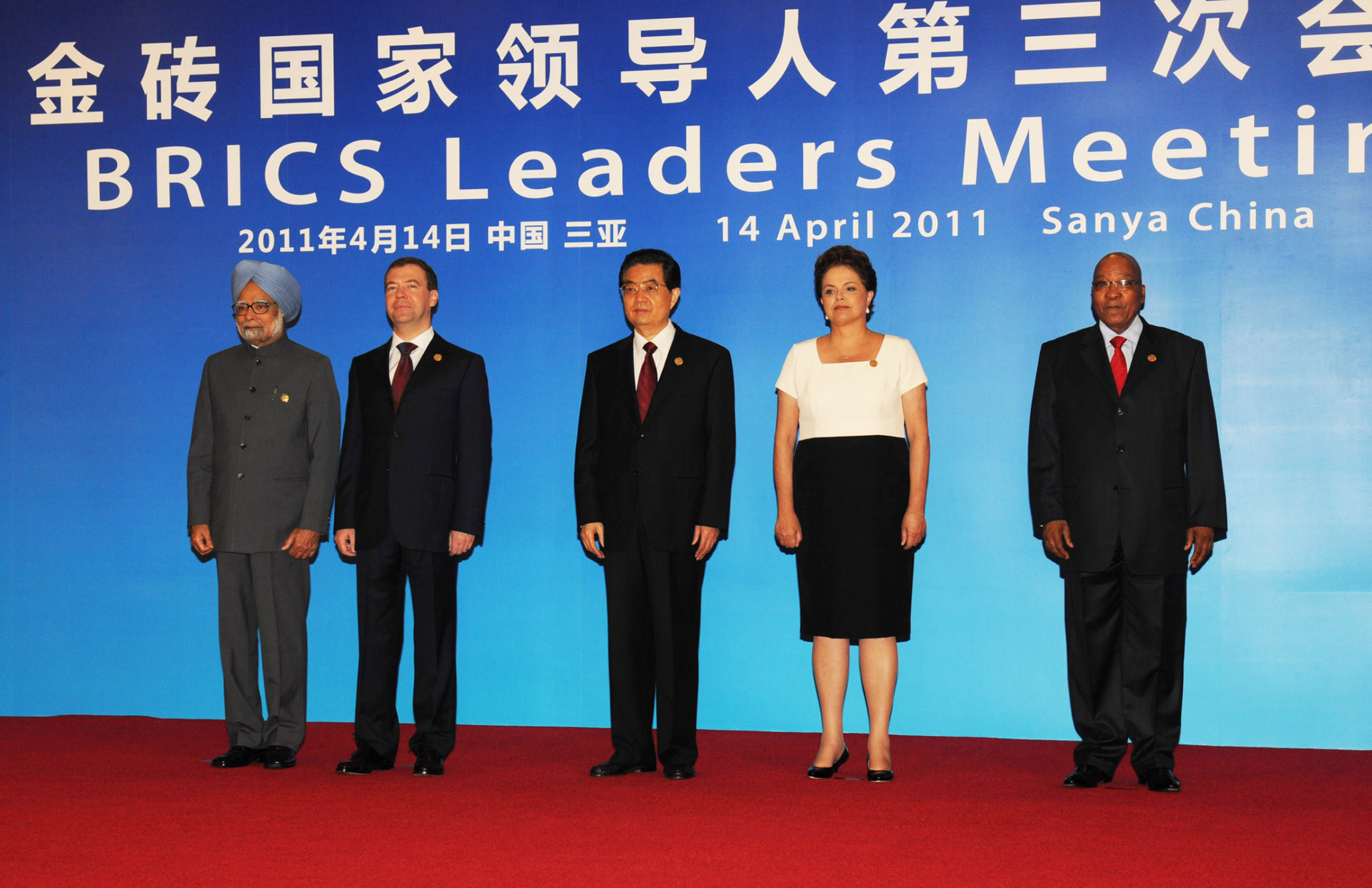
3rd BRICS Summit
14 April 2011 · Sanya, China
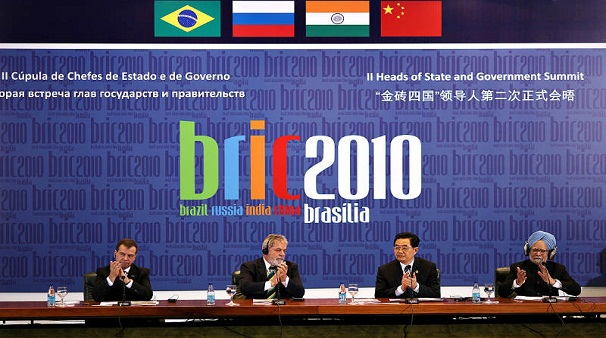
2nd BRIC Summit
16 April 2010 · Brasilia, Brazil
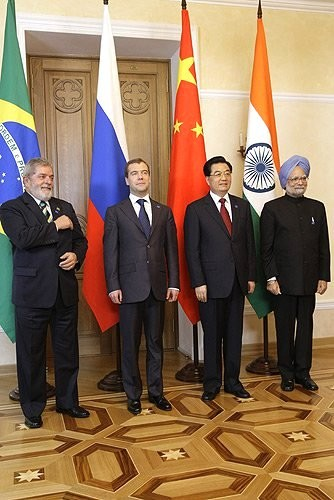
1st BRIC Summit
16 June 2009 · Yekaterinburg, Russia
BRICS India 2026
India is scheduled to hold the next BRICS presidency in 2026. The presidency rotates among members and sets the year's meeting agenda, but the leaders' summit date and final agenda should be confirmed through official Indian BRICS announcements.
Frequently asked questions
What does BRICS stand for?
BRICS comes from the initials of Brazil, Russia, India, China, and South Africa. The name began as BRIC before South Africa joined.
Is BRICS an alliance like NATO?
No. BRICS is a political and economic cooperation forum, not a mutual-defense pact. Members keep independent foreign and security policies.
Why did BRICS expand?
Expansion gives more emerging economies a seat in the group's discussions and increases its geographic, demographic, and economic reach. It also creates a larger platform for members that want changes in global financial and political institutions.
Where can I read the official documents?
The summit tabs above link to the declarations and joint statements supplied for each meeting. These documents describe the priorities and commitments agreed by leaders at that summit.